
ABOUT LEILA
I have spent much of my life learning how to enter worlds I was not prepared for.
Long before I knew the word adaptability, I understood that some people could survive the end of one world and begin building a life in another. Others could not.
I was born in Almaty, Kazakhstan, when it was still part of the Soviet Union. By the time I was five, the country I had been born into no longer existed.
As a child, I could not understand the political or economic forces reorganizing life around me. But I could see what they did to people. Fear and uncertainty settled into everyday life. I saw the anger, despair and violence they could produce. There was no clear path forward and no reliable promise of economic security. Institutions disappeared. Money lost its value. Education, status, and professional achievement did not necessarily translate into security or relevance in the world taking shape.
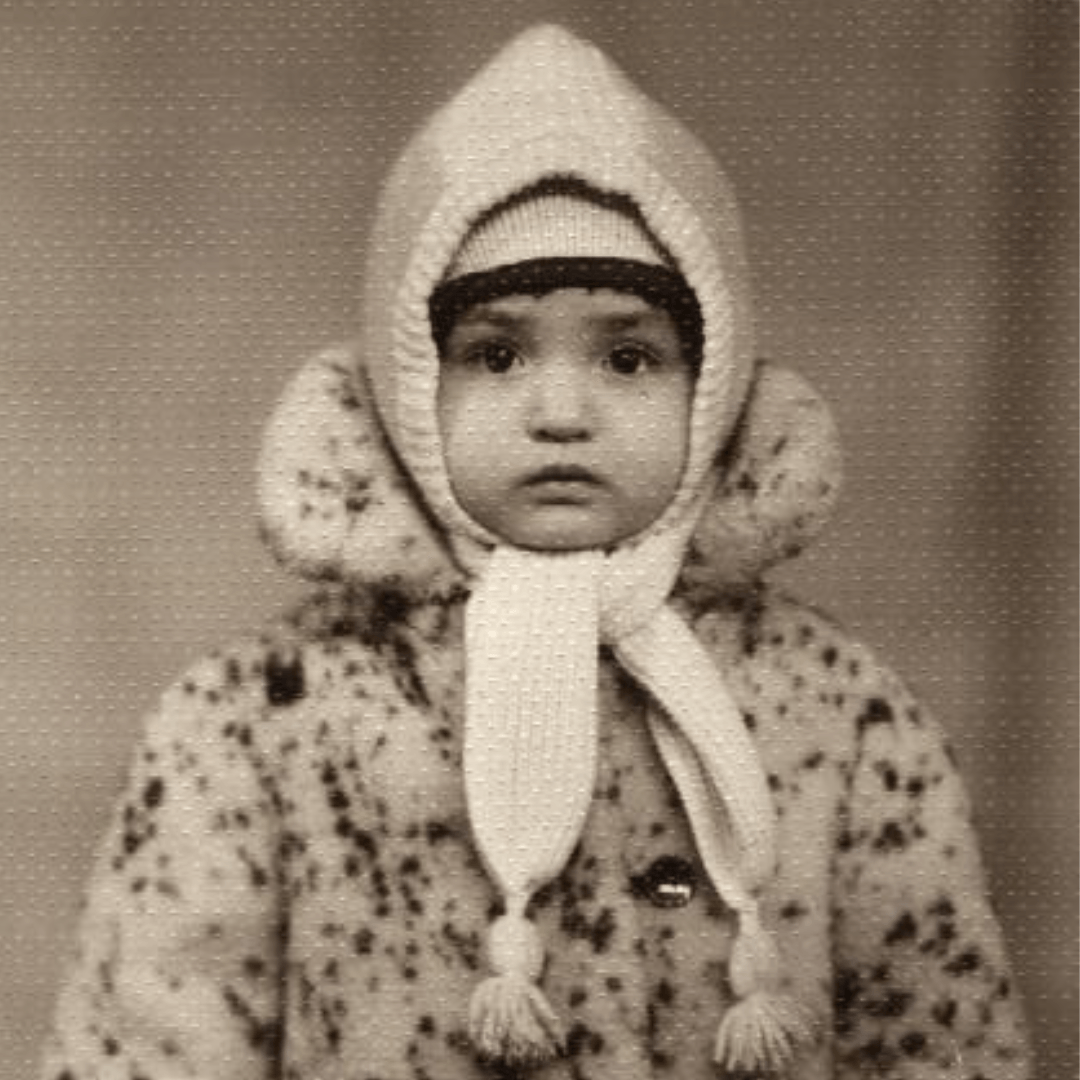
Some people found ways to adapt. They sold things, started businesses, changed professions, left the country, or found a place inside the new system. Others remained psychologically tethered to a world that was not coming back. Some lost their livelihoods. Some lost their identities. Some never found their footing again.
I learned early that adults did not always have answers, that the structures around us could fail, and that safety could not be assumed. There was no inspiring lesson about resilience at the time. There was simply the quiet understanding that whatever came next, we would have to find a way to live inside it.
What stayed with me was not simply that change could be difficult. It was that intelligence, education, and experience did not guarantee that someone could meet it.
You had to be one of the people who could change, and do it quickly.
For much of my life, I accepted that as a fact. Only later did it become the subject of my work.
Every new world required a new language
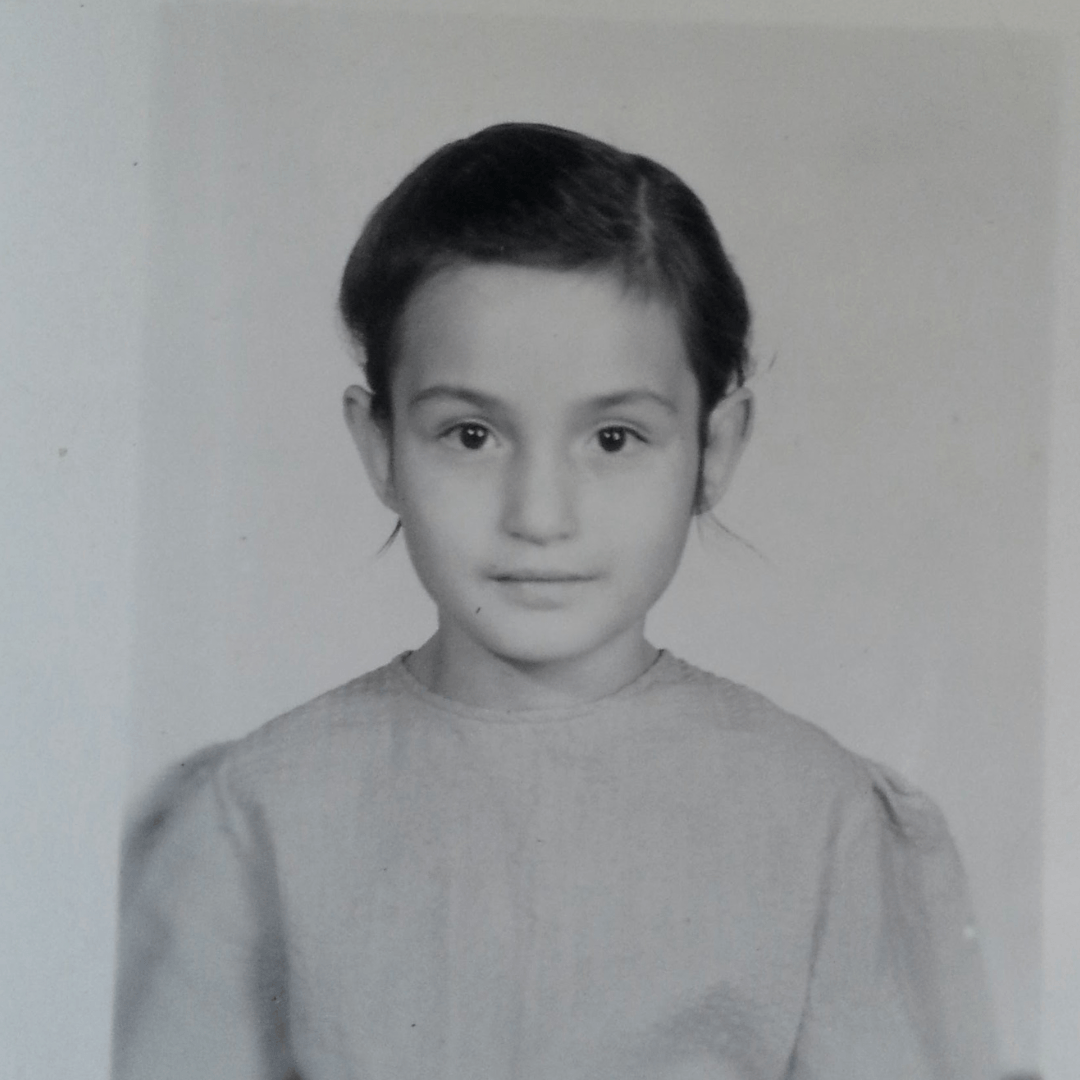
Although ethnically Kazakh, I grew up speaking Russian. After the Soviet Union collapsed, my family sent me to a Kazakh-language elementary school, where I had to learn the language from the ground up. By middle school, I was back in a Russian school, catching up on years of grammar I had never studied. I learned early what it felt like to be confused, behind, and unsure of the rules—and how to keep moving anyway.
English arrived in fragments: school lessons, songs I tried to decipher, MTV, and American R-rated movies broadcast without much concern for whether children should be watching. I could not confidently form a sentence until high school. Years later, I received a full scholarship to pursue a master’s degree in London, studying entirely in the language I had once struggled to speak. English would eventually become the language through which I built my career and my life in the United States.
Moving between languages taught me how to function before I felt fluent: to listen closely, search for patterns, make mistakes, and trust that the unfamiliar would eventually become navigable. Later, I would use those same instincts to enter new countries, industries, and professional worlds.
When I started working at 16, Kazakhstan was reinventing itself too. It had the energy of a startup country: ambitious, imperfect, and building much of its modern identity in real time. I grew professionally alongside it, organizing major entertainment events across the region, shaping communications for an American university, and helping international fashion and luxury brands establish themselves in a market they were still learning to understand. Opportunity often arrived before I felt prepared for it.
In my late twenties, I moved to the United States and left much of that accumulated status behind. Once again, I had to learn the unspoken language of a new world: how credibility was communicated, relationships were built, ideas were presented, and ambition was expressed. I took smaller roles, endured being underestimated, and learned to speak with authority in a language that still carried an accent. At the same time, I was learning how to build a social life and raise children in a culture I had not grown up in myself. Through persistence, hustle, and another long reinvention, I eventually made my way into the C-suite.
By then, adaptability had become part of my identity. I was someone who could enter an unfamiliar world, learn its language, and find a place within it.
Then, almost without warning, change stopped coming so easily.
The harder kind of change
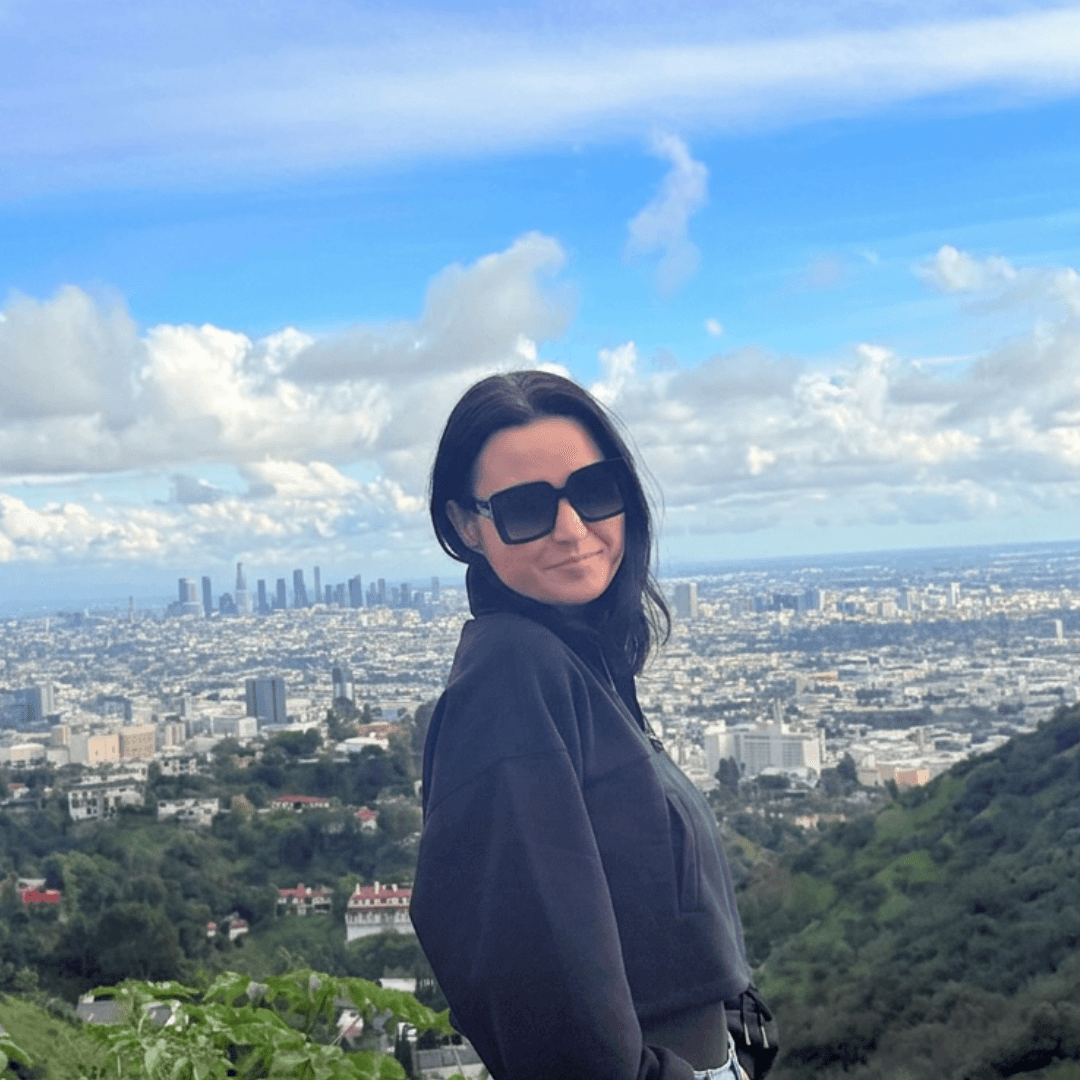
In my late 30s, I began to notice a paradox. The upheavals of my earlier life had sometimes felt easier to navigate than the smaller changes in front of me now.
Adaptability had once come naturally because life gave me no alternative. By then, however, I had built a comfortable life in Los Angeles and accumulated expertise, routines, responsibilities, status, and a carefully constructed idea of who I was.
These things help us build a life, but they can also make it harder to revise. When we are young, becoming someone new feels like possibility. Later, it may feel like losing the person we worked so hard to become.
Discovering that adaptability was not automatic unsettled me. How do we remain flexible as we age, succeed, and grow comfortable? Can adaptability be deliberately strengthened?
The work ahead
These questions now sit at the center of my work. I explore human adaptability as a lifelong capacity: how we continue learning, remain flexible, and reinvent ourselves without losing the parts of who we are that still matter. I am interested in identity, human potential, and what the future of life may ask of us.
Questions of change and reinvention are not new. What is new is the speed at which we are being asked to answer them. Technology is transforming how we work, think, learn, relate, raise families, and imagine a meaningful life. As AI becomes more capable, I want to understand what humans must become more capable of and how we can adapt without surrendering the qualities that make life distinctly human.
I founded Caldera to put these ideas into practice by helping organizations build human adaptive capacity. The goal is not only to help businesses navigate change, but to help the people inside them move through it without being diminished by it.
I grew up believing adaptability was something you either had or you did not. You simply had to be one of the people who could change and reinvent themselves quickly enough.
Now I believe we can learn how, even when change is hard.
ABOUT LEILA
I have spent much of my life learning how to enter worlds I was not prepared for.
Long before I knew the word adaptability, I understood that some people could survive the end of one world and begin building a life in another. Others could not.
I was born in Almaty, Kazakhstan, when it was still part of the Soviet Union. By the time I was five, the country I had been born into no longer existed.
As a child, I could not understand the political or economic forces reorganizing life around me. But I could see what they did to people. Fear and uncertainty settled into everyday life. I saw the anger, despair and violence they could produce. There was no clear path forward and no reliable promise of economic security. Institutions disappeared. Money lost its value. Education, status, and professional achievement did not necessarily translate into security or relevance in the world taking shape.
Some people found ways to adapt. They sold things, started businesses, changed professions, left the country, or found a place inside the new system. Others remained psychologically tethered to a world that was not coming back. Some lost their livelihoods. Some lost their identities. Some never found their footing again.
I learned early that adults did not always have answers, that the structures around us could fail, and that safety could not be assumed. There was no inspiring lesson about resilience at the time. There was simply the quiet understanding that whatever came next, we would have to find a way to live inside it.
What stayed with me was not simply that change could be difficult. It was that intelligence, education, and experience did not guarantee that someone could meet it.
You had to be one of the people who could change, and do it quickly.
For much of my life, I accepted that as a fact. Only later did it become the subject of my work.
Every new world required a new language
Although ethnically Kazakh, I grew up speaking Russian. After the Soviet Union collapsed, my family sent me to a Kazakh-language elementary school, where I had to learn the language from the ground up. By middle school, I was back in a Russian school, catching up on years of grammar I had never studied. I learned early what it felt like to be confused, behind, and unsure of the rules—and how to keep moving anyway.
English arrived in fragments: school lessons, songs I tried to decipher, MTV, and American R-rated movies broadcast without much concern for whether children should be watching. I could not confidently form a sentence until high school. Years later, I received a full scholarship to pursue a master’s degree in London, studying entirely in the language I had once struggled to speak. English would eventually become the language through which I built my career and my life in the United States.
Moving between languages taught me how to function before I felt fluent: to listen closely, search for patterns, make mistakes, and trust that the unfamiliar would eventually become navigable. Later, I would use those same instincts to enter new countries, industries, and professional worlds.
When I started working at 16, Kazakhstan was reinventing itself too. It had the energy of a startup country: ambitious, imperfect, and building much of its modern identity in real time. I grew professionally alongside it, organizing major entertainment events across the region, shaping communications for an American university, and helping international fashion and luxury brands establish themselves in a market they were still learning to understand. Opportunity often arrived before I felt prepared for it.
In my late twenties, I moved to the United States and left much of that accumulated status behind. Once again, I had to learn the unspoken language of a new world: how credibility was communicated, relationships were built, ideas were presented, and ambition was expressed. I took smaller roles, endured being underestimated, and learned to speak with authority in a language that still carried an accent. At the same time, I was learning how to build a social life and raise children in a culture I had not grown up in myself. Through persistence, hustle, and another long reinvention, I eventually made my way into the C-suite.
By then, adaptability had become part of my identity. I was someone who could enter an unfamiliar world, learn its language, and find a place within it.
Then, almost without warning, change stopped coming so easily.
The harder kind of change
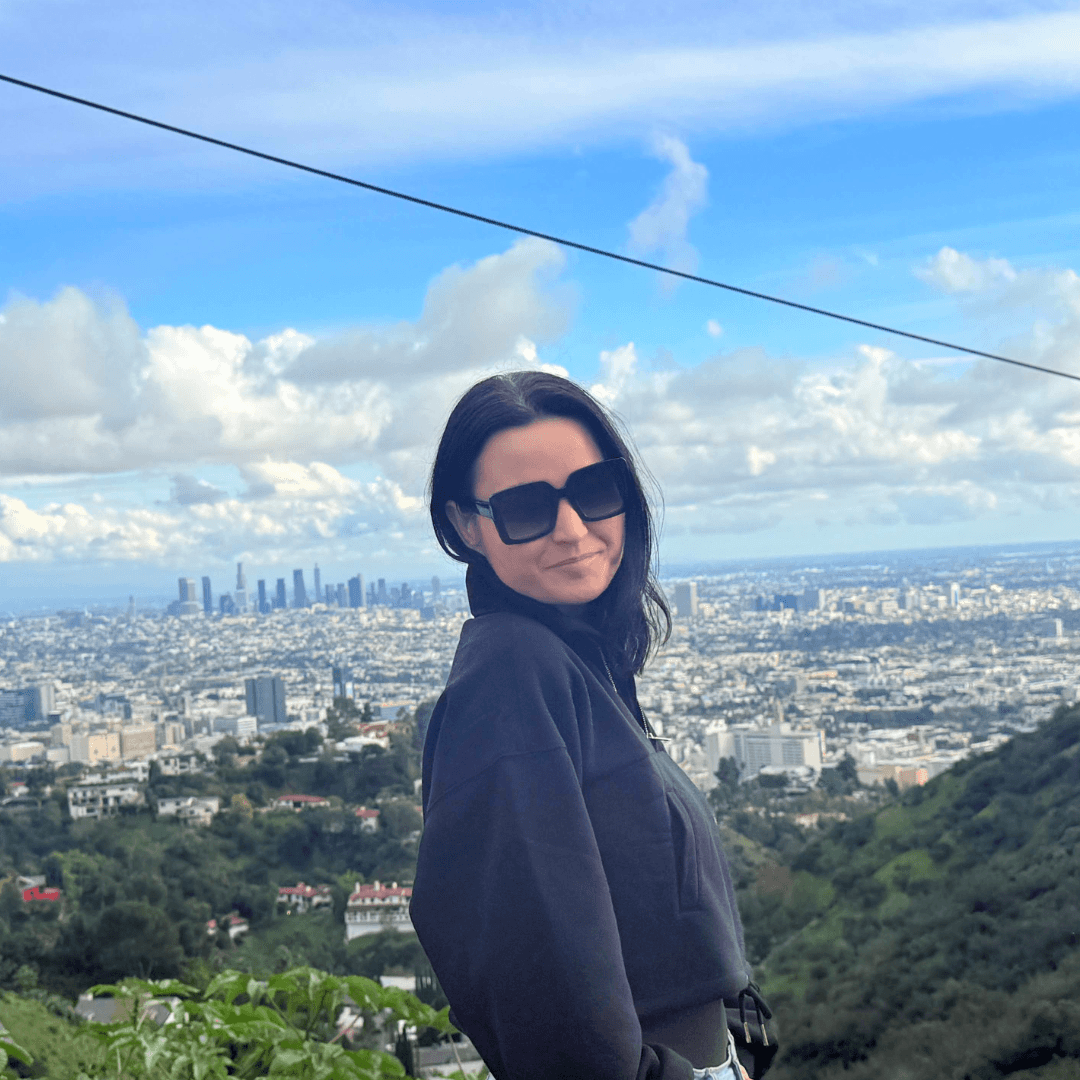
In my late 30s, I began to notice a paradox. The upheavals of my earlier life had sometimes felt easier to navigate than the smaller changes in front of me now.
Adaptability had once come naturally because life gave me no alternative. By then, however, I had built a comfortable life in Los Angeles and accumulated expertise, routines, responsibilities, status, and a carefully constructed idea of who I was.
These things help us build a life, but they can also make it harder to revise. When we are young, becoming someone new feels like possibility. Later, it may feel like losing the person we worked so hard to become.
Discovering that adaptability was not automatic unsettled me. How do we remain flexible as we age, succeed, and grow comfortable? Can adaptability be deliberately strengthened?
The work ahead
These questions now sit at the center of my work. I explore human adaptability as a lifelong capacity: how we continue learning, remain flexible, and reinvent ourselves without losing the parts of who we are that still matter. I am interested in identity, human potential, and what the future of life may ask of us.
Questions of change and reinvention are not new. What is new is the speed at which we are being asked to answer them. Technology is transforming how we work, think, learn, relate, raise families, and imagine a meaningful life. As AI becomes more capable, I want to understand what humans must become more capable of and how we can adapt without surrendering the qualities that make life distinctly human.
I founded Caldera to put these ideas into practice by helping organizations build human adaptive capacity. The goal is not only to help businesses navigate change, but to help the people inside them move through it without being diminished by it.
I grew up believing adaptability was something you either had or you did not. You simply had to be one of the people who could change and reinvent themselves quickly enough.
Now I believe we can learn how, even when change is hard.